THE ZEFSCI BLOG
Mass Spectrometer Repair vs. Replacement: Which Is Right for You?
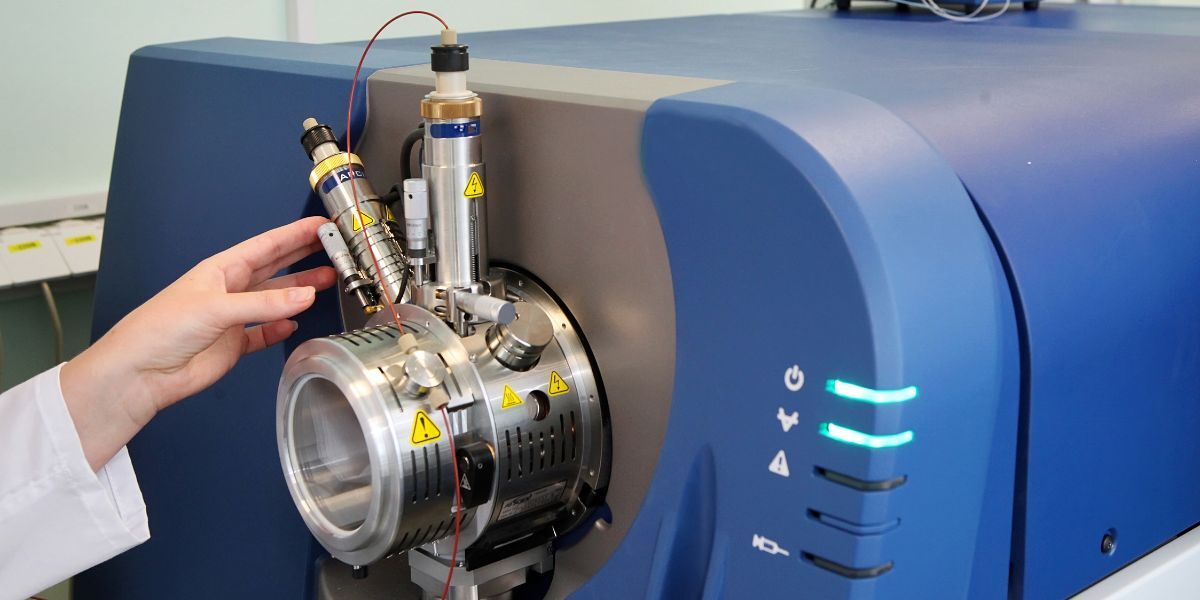
Every laboratory reaches a point where a key instrument begins showing its age. Results are less consistent than they used to be. Maintenance calls are becoming more frequent. Or a component finally fails, forcing a difficult decision: repair the system, or replace it entirely?
Mass spectrometers represent significant capital investments and play a vital role in analytical, research, and production environments. Determining the appropriate course of action requires more than comparing immediate costs. The decision must consider system reliability, analytical accuracy, and the long-term sustainability of operations.
A structured understanding of the instrument’s lifecycle, combined with an evaluation of technical and financial factors, enables laboratories to make informed decisions that balance cost control with performance assurance.
The Lifecycle of a Mass Spectrometer
A mass spectrometer’s performance can be maintained at a high level for many years with proper care. While critical components naturally wear out, preventative maintenance and timely repairs restore instruments to validated operating conditions. Understanding how systems age mechanically and electronically helps laboratories plan service, anticipate wear, and make informed decisions about when ongoing repairs or newer technologies may offer additional advantages.
Design Lifespan & Performance Degradation
Mass spectrometers are designed for longevity, often delivering reliable performance for many years when properly maintained. Nonetheless, as components experience mechanical, electronic, and thermal stress, gradual degradation may occur. Detectors may lose sensitivity, and ion optics may accumulate contamination, reducing performance. Over time, such changes can lead to increased maintenance and reduced throughput.
The operational lifespan of a system may vary based on usage intensity, environmental conditions, and maintenance discipline. Instruments in continuous production service typically reach end-of-life sooner than those used intermittently for research. Consistent preventative maintenance can extend operational life, but no system remains indefinitely serviceable.
Manufacturer Support & Parts Availability
A key determinant of mass spectrometer serviceability is the manufacturer’s support status. Once an instrument model reaches “end-of-support” designation, spare parts, firmware updates, and technical assistance may no longer be available. Laboratories that continue to operate unsupported systems risk extended downtime and higher costs due to limited parts availability. Additionally, operating unsupported systems can complicate regulatory compliance, particularly under Good Laboratory Practice (GLP) or Good Manufacturing Practice (GMP) requirements.
Before approving a major repair, it is prudent to verify whether the instrument model can still be fully supported by the original manufacturer or a qualified third-party service provider.
Performance Benchmarks & Analytical Requirements
Performance expectations differ across laboratories. In high-sensitivity applications, even minimal signal degradation or reduced mass accuracy may be unacceptable, while in general testing environments, modest deviations might remain tolerable. Monitoring quantitative performance metrics — such as signal-to-noise ratio, mass resolution, and instrument uptime — enables laboratories to determine whether repair activities will restore acceptable performance or if a new system is more appropriate.
When to Repair Your Mass Spectrometer
In many circumstances, repair remains the most practical and financially sound decision, particularly when performance issues are limited in scope and the overall system remains structurally sound.
Component-Specific Failures
Numerous issues encountered in mass spectrometry are confined to specific components. Ion source contamination, vacuum leaks, pump seal degradation, or power supply failures can often be addressed effectively through cleaning or replacement. Provided that core assemblies, such as analyzer components, detectors, and vacuum systems remain in good condition, targeted repairs can restore the instrument to stable, reliable performance.
Operational Advantages of Repair
Repairing rather than replacing a mass spectrometer offers several advantages:
- Minimized Downtime: Repairs can typically be completed more quickly than full system procurement, delivery, and qualification.
- Continuity of Analytical Methods: Existing calibration data, validation documentation, and analytical workflows can remain intact.
- Budgetary Flexibility: Repairs distribute expenditures over time, enabling laboratories to allocate capital funds more strategically.
When executed within a comprehensive maintenance framework, repairs can effectively extend instrument lifespan while preserving performance stability.
Financial Considerations
Repair is generally appropriate when associated costs remain proportionate to the instrument’s remaining operational life. However, if repair frequency increases or costs escalate over consecutive years, this may indicate systemic degradation. Maintaining detailed records of service events and costs facilitates data-driven assessment of whether continued repair remains economically viable.
When to Replace Your Mass Spectrometer
At some point, continued repair ceases to deliver a sustainable return. Evaluating when that threshold is reached requires analysis of both operational and financial performance indicators.
Performance & Technological Obsolescence
Advances in mass spectrometry occur rapidly. Newer systems frequently provide superior resolution and sensitivity, greater throughput, enhanced automation, and improved energy efficiency. Older instruments, even when functioning correctly, may limit a laboratory’s analytical capabilities or hinder integration with modern data systems.
If laboratory requirements have evolved, such as a need for lower detection limits, faster analysis, or enhanced compliance reporting, replacing the instrument may offer more value than continuing to invest in repairs.
Operational Inefficiency
Aging instruments, even after multiple repairs, may continue to experience increased instability or inconsistent results. The resulting downtime and rework can disrupt productivity across dependent workflows. Repeated interruptions often prove more costly than planned replacement, especially in high-throughput or regulated environments.
Replacement may also enable workflow optimization, consolidating analytical capacity and reducing maintenance complexity across the instrument fleet.
Financial Inflection Point
A key decision factor is the cumulative maintenance cost. When annual repair expenses approach or exceed the amortized cost of a new instrument, continued repair becomes less defensible. Replacement redirects expenditure toward renewed reliability and warranty or contract coverage.
Laboratories should also consider the residual or trade-in value of existing systems, which can partially offset the cost of new equipment.
Compliance & Support Risks
For regulated laboratories, operating equipment beyond the manufacturer’s official support poses compliance risks. Replacement ensures validated software and firmware versions and up-to-date documentation, all of which are essential for maintaining audit readiness and regulatory compliance.
When validated spare parts and qualified service resources are no longer available, replacement becomes the only reliable option to sustain compliant operation.
Evaluating Total Cost of Ownership
Repair and replacement decisions must be guided by a full understanding of the total cost of ownership (TCO), encompassing both direct and indirect expenses.
Direct & Indirect Costs
Direct costs include parts, labor, and service contracts. Indirect costs, however, often represent the greater financial burden. Lost productivity, delayed analyses, missed project deadlines, and additional quality control checks all contribute to the actual cost of downtime. Even modest performance issues can lead to rework or extended verification, affecting throughput and client delivery timelines.
A comprehensive cost assessment must therefore account for both tangible repair costs and the less visible impact on operational efficiency.
Residual Value & Redeployment Opportunities
Older instruments that remain functional may retain value for redeployment in non-critical workflows, educational environments, or secondary testing functions. Such redeployment can extend utility while allowing newer systems to assume primary analytical roles.
Trade-in or resale programs also provide financial offsets that reduce the effective cost of replacement.
Budget Forecasting & Long-Term Planning
Developing a multi-year maintenance and replacement forecast allows laboratories to manage expenditures proactively rather than reactively. Tracking service history, downtime frequency, and component aging trends provides data for anticipating future costs. This information enables better alignment between capital planning cycles and instrument lifecycles, avoiding budget shocks and production interruptions.
6 Steps for Making a Sound Decision
A disciplined evaluation process can help determine whether repair or replacement is the most appropriate course of action. The following framework supports objective decision-making:
Step 1. Assess Current Performance Metrics
Compare the instrument’s present performance with its validated specifications. Declining signal stability, resolution, or calibration reliability are strong indicators that repair may no longer suffice.
Step 2. Review Service & Repair History
Examine service records to identify recurring issues or increasing repair frequency. Repeated failures in critical subsystems often signify end-of-life wear.
Step 3. Define Operational Priorities
Establish whether reliability, analytical precision, or integration capability represents the primary goal. High-dependency systems typically warrant earlier replacement.
Step 4. Evaluate Support Longevity
Confirm the expected duration of the manufacturer’s or third-party’s support availability. Replacement planning should commence well before spare parts or firmware updates are no longer guaranteed.
Step 5. Conduct a Cost-Benefit Analysis
Model projected maintenance costs against the total investment in a new instrument, incorporating both direct repair costs and productivity impacts.
Step 6. Plan the Transition
Where replacement is warranted, implement a phased transition that allows for continued operation during installation, qualification, and method migration. This minimizes downtime and preserves data continuity.
Conclusion
Determining whether to repair or replace a mass spectrometer is a complex but essential aspect of lifecycle management. Repairing specific components can restore stability and extend service life when the instrument remains structurally sound and supported. However, when performance degradation, frequent failures, or compliance limitations begin to affect productivity, replacement becomes a strategic investment rather than a discretionary expense.
An informed decision should integrate both technical and financial analysis. By evaluating lifecycle data, performance metrics, and support status, laboratories can develop an evidence-based plan that optimizes operational continuity while maintaining fiscal responsibility.
Mass spectrometer reliability reflects your organization’s commitment to proactive asset management. A disciplined approach to repair-versus-replacement decisions ensures that analytical systems continue to support scientific, regulatory, and business objectives effectively and sustainably.
For laboratories seeking guidance on evaluating instrument performance or lifecycle planning, ZefSci’s engineering experts can help develop a structured approach to maintenance and replacement strategies that align with operational and budgetary goals. Contact us to start the conversation.